Home Care Service vs Assisted Living: Comprehending Levels of Care
Business Name: FootPrints Home Care
Address: 4811 Hardware Dr NE d1, Albuquerque, NM 87109
Phone: (505) 828-3918
FootPrints Home Care
FootPrints Home Care offers in-home senior care including assistance with activities of daily living, meal preparation and light housekeeping, companion care and more. We offer a no-charge in-home assessment to design care for the client to age in place. FootPrints offers senior home care in the greater Albuquerque region as well as the Santa Fe/Los Alamos area.
4811 Hardware Dr NE d1, Albuquerque, NM 87109
Business Hours
Families hardly ever awaken one early morning and decide, today is the day we change how Mom lives. The path to support generally unfolds through a series of small minutes: a missed bill, a fall on the front actions, a persistent cough that remains, a refrigerator with expired yogurt and absolutely nothing fresh. The issue is universal yet deeply individual. Should we generate help at home, or is an assisted living neighborhood the much safer, steadier option? The best answer depends upon the person, the home, the care needs, and the family's bandwidth.
I have invested years helping households map out what works and what doesn't, sitting at cooking area tables with daughters who manage careers and caregiving, and children who live 2 states away and stress through the night. Here is how I stroll individuals through the fork in the roadway in between home care service and assisted living, with the compromises laid out clearly and the practical information filled in.
What "care" really means
Care is not a single service, it is a stack of assistances. On one of the most basic level, it covers help with activities of daily living, the important things all of us must do to survive a typical day: bathing, dressing, toileting, grooming, eating, and walking around safely. Many older adults also require help with instrumental tasks, the less visible glue that keeps a home running, such as groceries, cooking, cleansing, medication suggestions, transport, paying expenses, and scheduling appointments.
When people say senior care, they are often visualizing various pieces of that stack. One family might just require a senior caretaker to stop by 3 afternoons a week so their dad showers safely and someone verifies his pills. Another may require full over night coverage since their mom wanders at 2 a.m. and opens the back door. The ideal match has less to do with buzzwords like in-home care or assisted living, and more to do with which layers of the stack are required, how typically, and how reliably.
Home care service: flexible assistance where life already happens
Home care, often called at home senior care or elderly home care, brings the caregiver to the individual rather of the person to the care. It can be as light as two hours two times a week or as extensive as 24-hour shifts with 2 or 3 senior caregivers rotating. Home care works best when somebody worths sitting tight, when the home is fairly safe, and when the individual can still structure their day with some independence.
The strongest benefit is continuity. People oversleep their own bed, keep their regimens, and keep ties to neighbors and familiar locations. I have actually seen customers rally merely due to the fact that they could keep their garden or morning paper routine. For someone with amnesia, that consistent environment frequently reduces confusion. For somebody with persistent illness, avoiding a disruptive move can assist stabilize medications and nutrition.
Home care service is likewise scalable. If your dad's Parkinson's signs are moderate this year, you can begin with eight hours of help for meals and workouts, then add hours if tremors intensify or falls increase. Families value the control: they choose the schedule, pick a caregiver who fits, and change rapidly as requirements change.
Yet there are limits. A home is not a center. Even with excellent senior home care, the home needs to be safe enough. Stairs without railings, narrow bathrooms, loose rugs, dim hallways, and high driveways can turn small mistakes into huge injuries. Remodellings assist, however not every home can be adjusted without significant expense. Another constraint is staffing dependability. Great agencies work hard to avoid call-outs, however life happens. If a caregiver is ill, an agency may send out a substitute, and that disruption can be tough for someone with dementia. Privately working with can give you more control over who comes, but then you end up being the company, FootPrints Home Care senior home care dealing with payroll, taxes, background checks, and protection if somebody quits.
Financially, in-home care is normally billed by the hour. Rates differ extensively by region, but a common range sits in between 28 and 45 dollars an hour for nonmedical care. That implies 4 hours daily, five days a week might total 2,200 to 3,600 dollars each month. Move to 12-hour days, and the month-to-month expense can exceed lots of assisted living rates. On the other hand, someone who only requires 10 to 20 hours a week can keep expenses comparatively modest while maintaining independence.
Assisted living: a community developed around support
Assisted living communities are developed for individuals who do not need a nursing home, however do need day-to-day aid. Consider a personal house plus a framework of services: meals, housekeeping, transportation, call buttons, and personnel readily available all the time for hands-on support. The very best neighborhoods strike a balance, supporting citizens without stripping away autonomy.
For someone who is separated in your home, this design can be a life-changer. 3 meals appear without effort. A nurse supervises medication management. There are classes, getaways, holiday celebrations, and friends to sit with at lunch. I keep in mind a customer who rarely left her couch when she lived alone. In assisted living she used up chair yoga and started playing cards after dinner. Her child called it a 2nd chapter.
Assisted living is consistent. You are not constructing a daily schedule from scratch like you finish with home care. You are plugging into a system that runs whether staff call out or not. If the resident decreases somewhat, you often add a care level or service package instead of rushing to find more hours.
Costs are generally bundled, with a base rate for rent and services, then a tiered care fee based upon an assessment. Monthly overalls typically fall in between 4,000 and 8,000 dollars depending upon area, house size, and the quantity of care. Greater support for mobility, cueing, or incontinence can push costs up. Memory care wings, which use secured environments for residents with dementia who wander or need more structured days, normally cost more than standard assisted living.
Assisted living has compromises, too. You may have less control over who supplies care, and personnel come by according to their assignment sheet, not always at the precise moment the resident wants. Some people resist common living, particularly if they are private or anxious in new settings. Pets are sometimes permitted, often not. If you tour, ask to being in the dining room during a meal. Enjoy how personnel connect in corridors. Culture matters more than the chandelier in the lobby.
How to match needs to setting
Start with a truthful inventory, not simply of the individual's diagnosis, however how each day in fact goes. Families frequently tell me, "She's fine most of the time," till we map the details: she needs help beginning the shower, she stands too quick, she burns the kettle, she forgets midday tablets, she does not hear the door, she oversleeps the reclining chair because the bed feels too expensive. Those little realities stack up.
Think across four dimensions. First, security: Is the person falling, wandering, leaving the stove on, missing medications, or driving unsafely? Second, function: What hands-on assistance is needed with bathing, dressing, toileting, transfers, and meals? Third, supervision: Does somebody need to be close-by most of the day, or only during certain tasks? Fourth, social and emotional well-being: Is isolation taking a toll, or is personal privacy more important?
A customer of mine, Mr. B, liked his workshop and demanded remaining in the home he constructed. He needed help showering and somebody to handle medications. We set up early morning sees on weekdays, two hours each, and a longer Saturday block for errands and home maintenance. That plan worked for two years. When his balance worsened and his daughter moved out of town, we tried adding night protection. Expenses climbed up, but he stayed in your home up until nights felt risky. Then we reevaluated.
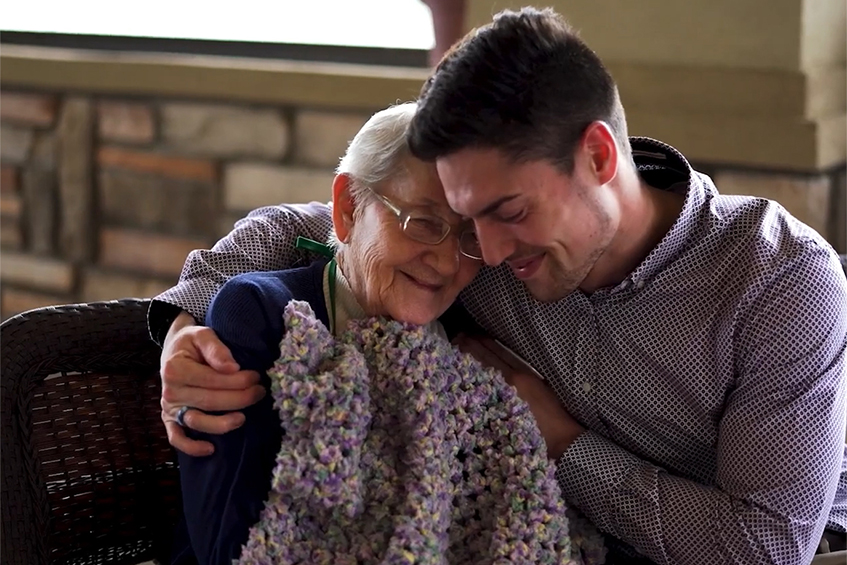
Contrast that with Mrs. L, who lived alone after her partner died. She had actually not cooked a genuine meal in months, and her memory lapses doubled. She attempted in-home take care of friendship three afternoons a week, however still invested long early mornings alone. Her child saw she perked up at church coffee hour, so we visited two assisted living neighborhoods. Once she moved, the regular and business did more than safety alone might attain. Her cravings returned and her state of mind lifted, and the family stopped fretting about 9 p.m. phone calls.
The function of medical complexity
Neither home care nor assisted living is a health center. Both can manage a series of needs, but they vary in medical depth. Basic home care companies offer nonmedical assistance, though some offer licensed nursing visits for wound care or injections. If somebody needs regular experienced care, you may layer in home health services ordered by a physician, which are time-limited and task-specific. Assisted living neighborhoods usually have nurses on personnel or on call, but they are not equipped for ventilators, complex IV treatments, or intense medical crises.
If a person has advanced needs, such as severe heart failure with oxygen fluctuations, late-stage dementia with habits, or feeding tubes, a nursing home or specialized memory care may be the much safer match. On the other hand, lots of people with multiple persistent conditions love either setting, offered medications are handled correctly and regimens are steady. The key is to evaluate whether the current level of support prevents avoidable emergencies. If you are calling 911 every couple of weeks, the plan is not holding.
What about dementia specifically
Memory loss alters the calculus. People with mild cognitive impairment or early Alzheimer's can do well with senior home care that focuses on structure: routine meals, cueing for bathing, medication suggestions, and assist with visits. Familiar surroundings might lower anxiety. A consistent senior caregiver who understands the person's history and preferences can be a stabilizing force.
As dementia progresses, the need shifts from task assistance to continuous guidance. Wandering, sundowning, and sleep interruptions create security dangers that are hard to manage with short daily sees. Some households piece together longer in-home care shifts, which can work if the home is protected and the budget plan permits steady protection. Others find that a memory care neighborhood provides the 24-hour oversight and purposeful activities they can not sustain in the house. I tell families to expect two red flags: injuries or near-misses that repeat, and caretaker burnout that does not ease even when more assistance is added.
The dollars and cents, and how to pay
Finances are not the only aspect, however they are never a side note. For in-home care, a light schedule may cost less than assisted living each month. For heavy schedules, home care can leap past the price of a community. Assisted living costs are more predictable month to month, though they tend to increase yearly and with greater care levels.
Medicare does not pay for nonmedical home care or room and board in assisted living. It covers short-term home health and rehab under specific conditions. Medicaid rules vary by state. Some states provide Medicaid waivers that money in-home care or assisted living for qualified individuals, frequently with waitlists. Long-lasting care insurance coverage, if purchased earlier in life, can balance out both home care and assisted living expenses, however policies vary in advantage triggers and day-to-day caps. Veterans might qualify for Help and Attendance, an advantage that can aid with personal care, whether in your home or in a community. Households often utilize a mix of retirement earnings, savings, home equity, and household contributions. A frank conversation about budget plan at the start saves headaches later.
When staying home works best
Home is ideal when the environment can be ensured, the person worths independence, and assistance needs are foreseeable. If mornings are the hardest time and a senior caretaker can cover those hours reliably, in-home senior care keeps life familiar. I frequently suggest a home safety evaluation to catch dangers you stop observing, like that throw rug that curls at the edges or a too-low toilet. Basic changes, such as grab bars, better lighting, and a shower chair, drastically cut fall risk.
Home care likewise shines when member of the family anchor the strategy. If a son lives upstairs and checks in during the night, adding daytime home care can fill the gaps without overextending anyone. The result can be both more budget-friendly and more individual. Just make certain the strategy has redundancy. One caretaker and one relative is a vulnerable design. Build in a backup for health problem, travel, or burnout.

When assisted living pointers the scale
An assisted living neighborhood might be the better choice when the day requires multiple touchpoints across early morning, lunch, afternoon, and night, and particularly when nights are unsettled. It likewise fits when social isolation damages health. Isolation correlates with greater hospitalization risk and anxiety. Some locals eat better just due to the fact that friends anticipate them at the table. Medication management that takes place every day, at the right time, without anybody driving across town, can prevent a cascade of problems.
Families frequently withstand assisted living due to the fact that it feels like surrender. In practice, a great community returns time and reduces the continuous sense of crisis. Adult kids shift from putting out fires to being family once again. I have actually seen tense relationships soften when the parent is no longer relying completely on the child for individual care. Self-respect returns when somebody besides your kid aids with a shower or incontinence.
Quality markers to look for, not just price and paint
Marketing pamphlets look comparable. The differences emerge in the small interactions. If you are thinking about in-home care, ask how the firm matches caretakers, how they manage last-minute call-outs, whether they monitor staff in the home, and how they interact modifications. Ask for the same caretaker for consistency, and fulfill them before the very first shift. For independently hired caregivers, insist on referrals, background checks, and a clear agreement on responsibilities, hours, pay, and ill coverage.
For assisted living, visit unannounced at least as soon as. Sit in the lobby and enjoy what happens when a call light rings. Ask to see a care plan, not simply a sample calendar. Speak with resident households in the parking lot. In the home, check water pressure, closet area, and whether a walker fits in between the bed and the wall. Ask about personnel training, night staffing, reaction times, and how the community handles residents whose needs increase. If the tour prevents direct responses, take note.
A basic pivot test for households on the fence
Before making a move, try a time-limited trial. For home care, set up a 30-day strategy with clear goals: two showers each week without falls, three well balanced lunches, consistent medications, one social getaway weekly. Track results. If the plan holds and the individual seems brighter, continue. If you are still anxious every night at 10 p.m., the assistance is not enough.
For assisted living, organize a respite stay for two to 4 weeks if the neighborhood uses it. Pay attention to how the person sleeps, consumes, and engages. Some residents flower during respite, which makes the longer relocation easier. Others feel stressed. That details is valuable even if you decide to return home with a new plan.
Realistic expectations and the grace to adjust
No plan stays ideal. Illness advances, life occasions step in, finances change. The healthiest families deal with care as an ongoing project, not a one-and-done choice. Reassess quarterly. If falls increase, add more hours or re-evaluate the setting. If a caretaker and client clash, request a different fit. If an assisted living community is slipping on quality, do not hesitate to intensify concerns or check out alternatives.
It also helps to call the psychological weight. Adult children typically feel guilt whichever course they pick. Moms and dads may fear loss of control more than any physical decrease. Acknowledge those feelings out loud. In my experience, clear info and stable interaction reduce be sorry for more than any single option does.
Putting it together: a practical comparison
Here is a concise method to consider the two options.
- Home care service matches people who want to stay in the house, have a safe environment, and require assistance that fits into specified blocks. It scales up or down easily, protects routines, and can be economical for part-time support.
- Assisted living matches people who need daily, foreseeable assistance and gain from integrated social structure and 24-hour staff existence. Expenses are more set month to month, and care can increase by means of levels without rebuilding the plan from scratch.
If you can reveal your requirements in hours, tasks, and particular times, in-home care might be the better starter. If you find yourself explaining the need as "someone close-by the majority of the time," assisted living may offer more secure protection and much better quality of life.
Resources and next steps
Start with a thorough medical evaluation to catch reversible causes of decline, like medication adverse effects or dehydration. Ask a physiotherapist for a home safety examination. Gather legal and financial documents so whoever is coordinating care has the authority to act. Then visit at least 2 trustworthy home care companies and 2 assisted living communities, even if you are leaning one way. Choices give peace of mind.
When you speak with companies, bring a common week's schedule and a frank list of challenges. When you tour communities, request staffing ratios during nights, not simply days, and sample a meal. Procedure the bathroom entrance to ensure movement devices fit. Ask about transportation to medical appointments and how they coordinate with outdoors providers.
Families who approach senior care as a series of practical steps usually discover a convenient path. Whether you pick senior home care or a well-run community, the goal is the exact same: security, self-respect, and a life that still seems like one's own. The very best plan appreciates the person's values, supports the household's capability, and changes as needs develop. If you hold to those 3 anchors, the choice gets clearer, and the days get lighter.

FootPrints Home Care is a Home Care Agency
FootPrints Home Care provides In-Home Care Services
FootPrints Home Care serves Seniors and Adults Requiring Assistance
FootPrints Home Care offers Companionship Care
FootPrints Home Care offers Personal Care Support
FootPrints Home Care provides In-Home Alzheimer’s and Dementia Care
FootPrints Home Care focuses on Maintaining Client Independence at Home
FootPrints Home Care employs Professional Caregivers
FootPrints Home Care operates in Albuquerque, NM
FootPrints Home Care prioritizes Customized Care Plans for Each Client
FootPrints Home Care provides 24-Hour In-Home Support
FootPrints Home Care assists with Activities of Daily Living (ADLs)
FootPrints Home Care supports Medication Reminders and Monitoring
FootPrints Home Care delivers Respite Care for Family Caregivers
FootPrints Home Care ensures Safety and Comfort Within the Home
FootPrints Home Care coordinates with Family Members and Healthcare Providers
FootPrints Home Care offers Housekeeping and Homemaker Services
FootPrints Home Care specializes in Non-Medical Care for Aging Adults
FootPrints Home Care maintains Flexible Scheduling and Care Plan Options
FootPrints Home Care is guided by Faith-Based Principles of Compassion and Service
FootPrints Home Care has a phone number of (505) 828-3918
FootPrints Home Care has an address of 4811 Hardware Dr NE d1, Albuquerque, NM 87109
FootPrints Home Care has a website https://footprintshomecare.com/
FootPrints Home Care has Google Maps listing https://maps.app.goo.gl/QobiEduAt9WFiA4e6
FootPrints Home Care has Facebook page https://www.facebook.com/FootPrintsHomeCare/
FootPrints Home Care has Instagram https://www.instagram.com/footprintshomecare/
FootPrints Home Care has LinkedIn https://www.linkedin.com/company/footprints-home-care
FootPrints Home Care won Top Work Places 2023-2024
FootPrints Home Care earned Best of Home Care 2025
FootPrints Home Care won Best Places to Work 2019
People Also Ask about FootPrints Home Care
What services does FootPrints Home Care provide?
FootPrints Home Care offers non-medical, in-home support for seniors and adults who wish to remain independent at home. Services include companionship, personal care, mobility assistance, housekeeping, meal preparation, respite care, dementia care, and help with activities of daily living (ADLs). Care plans are personalized to match each client’s needs, preferences, and daily routines.
How does FootPrints Home Care create personalized care plans?
Each care plan begins with a free in-home assessment, where FootPrints Home Care evaluates the client’s physical needs, home environment, routines, and family goals. From there, a customized plan is created covering daily tasks, safety considerations, caregiver scheduling, and long-term wellness needs. Plans are reviewed regularly and adjusted as care needs change.
Are your caregivers trained and background-checked?
Yes. All FootPrints Home Care caregivers undergo extensive background checks, reference verification, and professional screening before being hired. Caregivers are trained in senior support, dementia care techniques, communication, safety practices, and hands-on care. Ongoing training ensures that clients receive safe, compassionate, and professional support.
Can FootPrints Home Care provide care for clients with Alzheimer’s or dementia?
Absolutely. FootPrints Home Care offers specialized Alzheimer’s and dementia care designed to support cognitive changes, reduce anxiety, maintain routines, and create a safe home environment. Caregivers are trained in memory-care best practices, redirection techniques, communication strategies, and behavior support.
What areas does FootPrints Home Care serve?
FootPrints Home Care proudly serves Albuquerque New Mexico and surrounding communities, offering dependable, local in-home care to seniors and adults in need of extra daily support. If you’re unsure whether your home is within the service area, FootPrints Home Care can confirm coverage and help arrange the right care solution.
Where is FootPrints Home Care located?
FootPrints Home Care is conveniently located at 4811 Hardware Dr NE d1, Albuquerque, NM 87109. You can easily find directions on Google Maps or call at (505) 828-3918 24-hoursa day, Monday through Sunday
How can I contact FootPrints Home Care?
You can contact FootPrints Home Care by phone at: (505) 828-3918, visit their website at https://footprintshomecare.com, or connect on social media via Facebook, Instagram & LinkedIn
A visit to the ABQ BioPark Botanic Garden offers a peaceful, gentle outing full of nature and fresh air — ideal for older adults and seniors under home care.