Why In-Home Care Is Frequently Much Better Than Center Take Care Of Aging Parents
Business Name: FootPrints Home Care
Address: 4811 Hardware Dr NE d1, Albuquerque, NM 87109
Phone: (505) 828-3918
FootPrints Home Care
FootPrints Home Care offers in-home senior care including assistance with activities of daily living, meal preparation and light housekeeping, companion care and more. We offer a no-charge in-home assessment to design care for the client to age in place. FootPrints offers senior home care in the greater Albuquerque region as well as the Santa Fe/Los Alamos area.
4811 Hardware Dr NE d1, Albuquerque, NM 87109
Business Hours
The very first time I helped a family move a parent into a nursing center, the adult daughter stood in the parking lot later and stated, "I feel like I just left my mother at the airport without any ticket home." She was not being remarkable. For lots of families, deciding where and how an aging parent will live is one of the heaviest decisions they will ever make.
Over the years I have actually seen both sides up close: well run assisted living communities and knowledgeable nursing centers, and likewise peaceful homes where a constant at home caregiver assists a parent age in place with surprising self-respect. There is no best service, and facility care absolutely fits, especially for complex medical requirements. Yet in a large share of cases, well prepared in-home senior care serves older adults much better on practically every human level.

This is not a theoretical debate. It has to do with whether your mother still gets to being in her own kitchen area with her preferred mug, or whether your father can snooze in his own chair rather of a shared television room he never ever chose. The setting matters, and so does the sort of support twisted around it.
Why the setting often matters more than families expect
When families start exploring senior home care, the discussion usually centers on jobs. Who will help Dad shower? Who will manage medications? Can somebody drive Mom to her cardiologist? Those questions are necessary, but they miss out on a crucial layer: the emotional and mental effect of where your parent lives.
Facilities are constructed to be effective. Caregivers there have to meet the requirements of numerous homeowners, so regimens are standardized and group oriented. That structure can be essential for people with high medical needs, however it also indicates:
- Fixed meal and medication times whether your parent is a morning person or not
- Staff turnover that makes it hard to construct deep, trusting relationships
- Limited control over noise, light, temperature, visitors, and daily rhythm
By contrast, home take care of parents starts with their existing life. The caregiver steps into your parent's environment and routines instead of requiring your parent to adapt to an institutional schedule. There is a subtle however extensive distinction in between waking up in your own bed room with your own quilt and getting up in a space similar to 30 others down the hall.
Families often underestimate how deeply older grownups are connected to their familiar surroundings. The pattern of the shadows on the wall in late afternoon, the view from a preferred window, the sound of a next-door neighbor's truck beginning early every morning. These small anchors often keep orientation and mood more stable than any cognitive training exercise.
For someone starting to battle with memory, that familiarity is not simply comforting, it is protective. They may not remember what they had for breakfast, but they understand the method to the bathroom from their own bed without thinking, which reduces falls and agitation.
Human connection is simpler to develop at home
One of the greatest arguments for in-home care is not about the home at all, however about what the setting allows caretakers to become.
In centers, even excellent caretakers are extended. A nurse assistant may be assigned to take care of eight to twelve locals on a shift. They are professionals doing their best, but their work is regulated by a job list: shower Mr. R, escort Ms. T to meals, file important indications, respond to call lights. There is really little space for sticking around over a story or seeing that somebody seems a bit "off" that day.
With senior home care, particularly when families dedicate to consistent scheduling, a caretaker often works with a couple of customers and can concentrate on the whole individual. With time the relationship begins to look less like "personnel" and more like an extended relative. I have seen caregivers who understand every grandchild's name, which baseball team their client enjoyed in the 70s, and exactly how to coax a stubborn diabetic to check a blood sugar level without an argument.
That depth of relationship has genuine outcomes:
- Better early detection of problems, since the caretaker notices subtle changes in mood, appetite, or strolling pattern
- Less resistance to bathing, medication, and workout, because demands come from a trusted person, not a rotating complete stranger
- More psychological durability, because your parent has a regular companion who listens, jokes, reminisces, and treats them as an adult with a history, not merely a "resident"
One daughter in Albuquerque told me that her mother's at home caregiver knew more about the household's dishes, history, and inside jokes than some of the cousins did. "Mom went from being 'Room 214' at the rehab center to being herself again," she stated. That shift was not due to a brand-new medication. It was the home setting plus focused attention.
Autonomy and self-respect are not small luxuries
When people picture aging in a center, they often think of safety: grab bars, call buttons, a nurse on duty. Those are genuine advantages. Less visible are the peaceful losses of control that collect:
Being told when it is shower day, regardless of state of mind or energy. Being seated at a table with appointed tablemates. Having personnel knock and get in quickly, sometimes without much privacy. Trying to sleep while a roommate snores or a hall light leaks under the door.
Some locals do not mind. Others endure it pleasantly. A few ended up being openly agitated and identified "tough". In my experience, many of those behaviors soften when people return home with the ideal in-home care.
At home, your parent keeps more daily options:
They can decide to eat a late breakfast or skip it for coffee and toast at noon. They can select to shower in the evening rather of very first thing in the morning. They choose whether to sit outside, view their preferred channel, or listen to their old record player.
These may seem like small choices, however loss of these choices is among the main factors older grownups feel "institutionalised". Autonomy is not an abstract worth; it is revealed in these tiny decisions. At home senior care can protect that autonomy for a lot longer, due to the fact that support is wrapped around the individual's preferences instead of the other way around.
Dignity also appears in the way care is provided. A parent who is embarrassed by the concept of a stranger helping with toileting often does far better when that person is thoroughly matched, presented gradually in their own space, and allowed to work at the parent's speed. That is much easier to craft in your home than in a busy unit.
Safety: home versus center, without the marketing spin
Families worry, fairly, about safety. They picture falls on home stairs, a parent roaming out at night, or missed medications. Facility sales brochures highlight safe and secure doors, grab bars, and 24/7 staffing. Those assistances are real, and there are scenarios where facility care is objectively safer.
Yet pure safety is not as basic as "facility equals safe, home equates to dangerous". The truth is more nuanced.
At home, safety can be improved step by action. An extensive home evaluation can identify tripping dangers, bad lighting, loose carpets, and tough restroom designs. Easy modifications like better lighting, shower chairs, get bars, and reorganized furnishings frequently reduce falls considerably. Combine that with a caregiver who exists throughout high threat times - during the night, during bathing, on the way to the restroom - and many seniors end up being more secure in your home than they would be navigating crowded corridors and new environments in a facility.
Medication management is another example. In a facility, medication passes are standardized, however personnel are busy and mistakes still take place. In the house, a trained caregiver or going to nurse can manage a tablet organizer, validate dosages, and observe how your parent in fact feels later, with the high-end of time to call the physician if something looks off.
The biggest danger at home is often when there is no one there. A happy parent who demands living completely alone in spite of dementia or significant movement problems deals with dangers that no grab bar can fix. That is where households have to be honest with themselves: can we reasonably supply or organize sufficient in-home care hours to make this safe?
In a city like Albuquerque, home care firms vary widely in how they deal with safety. Some provide fast "drop in" visits that are essentially welfare checks, beneficial for fairly independent elders who only need short support. Others specialize in 24/7 live-in plans where a caretaker constantly sleeps in the home. When families consider "albuquerque home care" or any local market, the crucial question is not just cost, but protection: will someone be present throughout the times your parent is most vulnerable?
The hidden psychological expense of moving out
Physical safety is one side of the journal. The psychological toll of moving to a center belongs on the other.
Relocation stress syndrome is not a formal diagnosis most primary care physicians speak about, however center personnel understand it well. In the first couple of weeks after a move, numerous new homeowners end up being more confused, withdrawn, or irritable. Sleep patterns change. Appetite drops. Some of that settles over time as they adjust, but for people with vulnerable health or cognition, that adjustment period can trigger a permanent decline.
I still remember a retired instructor who moved from her small home to a big assisted living community after a stroke. On paper it made sense: on-site treatment, available bathrooms, emergency situation reaction pull cords. Within a month her child stated, "She is safe, but she's not really here anymore." The mother stopped checking out novels, something she had done her whole life, because, as she put it, "This doesn't feel like my life, it seems like a waiting space."
By contrast, when individuals remain in the home they like, they bring their sense of self and story with them. The walls hold their photos. The cabinet holds the mixing bowl they used every holiday. That connection cushions change.
With in-home care, even a parent who requires aid with a lot of daily jobs can remain the "host" in their own area. When family visits, your parent is not a visitor in a center's common room, but the individual inviting others into their familiar living-room. That subtle difference frequently protects a sense of function and identity that no activity calendar can replace.
Financial truths: what the glossy sales brochures rarely spell out
Cost is generally the 2nd subject households raise, right after safety. The numbers differ by area, however the pattern is remarkably consistent.

Assisted living centers and nursing homes usually bundle real estate, meals, activities, and some level of care into a month-to-month fee. It prevails to see base rates and after that service charges for higher care levels. Households typically like the predictability, but they also spend for facilities that might not matter much to their parent: an industrial cooking area, group transport, landscaping, corporate overhead.
In-home care is typically billed hourly. In the beginning glimpse, the math can be intimidating. Twenty-four hour protection at home builds up quickly, and there are situations where facility care is merely more inexpensive. Yet lots of parents do not require 24/7 hands-on care. They may require aid during early mornings and nights, with family covering some hours and technology covering overnight check-ins.
For example, I dealt with a household whose father required about 6 hours of support each day: help with bathing, dressing, a midday meal, and medication reminders. The remainder of the time he enjoyed puttering in his workshop and watching baseball. A center would have charged a complete regular monthly rate for space, board, and care. By using targeted in-home care, a medical alert system, and routine family visits, his child determined they were investing approximately half of what regional centers quoted.
Medicaid, long term care insurance, and veteran's benefits make complex the picture in both instructions. Some programs spend for facility care more readily than for home services, others the opposite. In lots of states, waiver programs exist particularly to money elder care at home, due to the fact that policy makers have acknowledged that well arranged home care can cost the system less than institutionalization.
The financial concern, then, is not just "Which looks cheaper per month?" but "What level of care, in which setting, gives my parent the life they desire, at an expense we can sustain?" For a big share of older grownups, that answer indicate in-home senior care at least for as long as their medical condition allows.
Impact on family dynamics and caregiver burnout
Families do not make care decisions in a vacuum. Brother or sisters have history. Adult children have tasks, kids of their own, and different tolerance for hands-on care tasks. Regret, bitterness, and enjoy all appear at the same table.
One error I see often is families jumping straight from "We are having a hard time to maintain" to "We need to move Mom to a facility" without considering that senior home in home care care can alter the whole equation.
Bringing in in-home caregivers can:
- Turn adult children back into boys and children instead of unpaid full-time assistants
- Reduce the continuous emergency mindset, when every telephone call from a parent could suggest a crisis
- Allow family visits to concentrate on connection - sharing meals, stories, errands - rather than purely on physical care tasks
I have witnessed more than one brother or sister relationship repaired after home care began. Before outside aid, one regional child brought the majority of the load, resenting a bro in another state. With expert caregivers dealing with day to day elder care, the daughter did not hesitate to let her bro manage financial resources and medical documentation from afar. Each played to their strengths, and visits became less tense.
Compare that with the all-or-nothing dynamic that often follows a relocate to a facility. Families believe they will get a break, then discover that they still require to visit frequently to advocate, attend care conferences, and keep their parent emotionally anchored. The sense of "We positioned Mom, now the experts will deal with everything" seldom matches reality.
Home care for parents does require coordination, however households keep more control over who enters the home, what they concentrate on, and how quickly changes are made when something is not working. That control, integrated with support, typically avoids caretaker burnout more effectively than a facility move.
When facility care truly is the better choice
It would be unethical to pretend that in-home care is always the very best choice. There are authentic scenarios where a center is more secure, more sustainable, or just kinder for everyone involved.
Here are common scenarios where facility care frequently serves better:
- Advanced medical intricacy, such as ventilator support or frequent IV treatments that need round the clock knowledgeable nursing
- Late phase dementia with serious wandering or hostility, where even safe homes and rotating caregivers can not keep everybody safe
- Families without any sensible ability to oversee or supplement care in your home, whether due to distance, health, or finances
- Homes that can not be modified for availability, for example, narrow staircases without area for lifts and no bedroom or restroom on the main floor
I motivate families to see facility care and in-home care as parts of a continuum, not opposing camps. Lots of parents do extremely well with at home assistance for years, then move into assisted living or memory care when their requirements alter. Others spend time in short term rehabilitation centers after surgical treatment, gotten back with short-term 24/7 home care, then scale back as they recover.
The goal is not to "win" by preventing centers at all costs, but to match the stage of life and health with the least restrictive, most gentle environment that still provides safety and appropriate care.
Making in-home care operate in the genuine world
For families leaning toward senior home care, the useful concern is how to construct a system that works day after day, not simply in the very first passionate week.
A basic beginning framework appears like this:
- Clarify what your parent can reasonably do alone, what they can do with support, and what they can refrain from doing at all
- Decide who in the household can commit to which roles and times without stressing out
- Identify which hours and tasks need professional in-home care, and contact firms or independent caretakers to cover them
- Adjust the home environment for safety: lighting, restrooms, flooring, emergency situation systems, and clear pathways
- Set up routine communication: a shared note pad, group text, or app where caretakers and household can record changes and concerns
Local context matters. In a market with strong albuquerque home care companies, for instance, you might discover agencies that can begin with a few hours weekly and scale quickly if your parent's condition modifications. In more rural areas, families in some cases utilize a mix of firm personnel, personal caretakers, and encouraging neighbors.
The key lessons from households who have actually made in-home care sustainable over a number of years are consistent. Do not wait until crisis to start. Do not depend on one brave child to bring the problem. Do not assume your parent's first response is their final response; lots of at first withstand the concept of "a stranger in my home" but come to value the help as soon as they experience it.
Questions to ask when assessing home care agencies
Not all companies are equal. When you begin talking to agencies for elder care, treat it more like employing a partner than buying a packaged service. Beyond the basic concerns about licensing and background checks, pay attention to how they deal with nuance.
You would like to know how they match caretakers to customers, and how they handle personality disputes. Ask how often they send out the very same caretaker, since continuity of personnel is among the best strengths of in-home care. Discover who monitors caregivers on site and how quickly they react to modifications or concerns.
I like to ask companies for an example of a case that did not work out and what they learned from it. Their answer exposes a lot about honesty and flexibility. Agencies that only offer sleek success stories fret me more than those who can explain a challenging situation and how they fixed course.
If you are looking for in-home senior take care of a parent with dementia, press for specific training information. General "experience with elders" is not enough. You desire caretakers who understand how to respond to recurring questions, sundowning, and occasional allegations without intensifying tension.
The much deeper concern: what type of aging do we want for our parents?
Underneath all the logistics lives a quieter concern that families often avoid: how do we desire our parents to live in their last decade?
Facility care tends to prioritize safety, medical oversight, and performance. Those are okay priorities, and for some elders they are exactly what is required. In-home care, when organized attentively, tends to prioritize continuity, autonomy, and individual connection. It begins with the presumption that the home still matters, that familiar chairs and early morning light and neighborhood noises belong to care, not separate from it.
For lots of older adults, particularly those who are frail but steady, that difference shapes daily life much more than the existence of a call button on the wall. Eating a sandwich at your own kitchen area table, with the neighbor waving through the window, feels various from eating in a dining hall created to serve 80 people simultaneously. Falling asleep to the hum of your own fridge sounds different from the far-off rattle of medication carts.
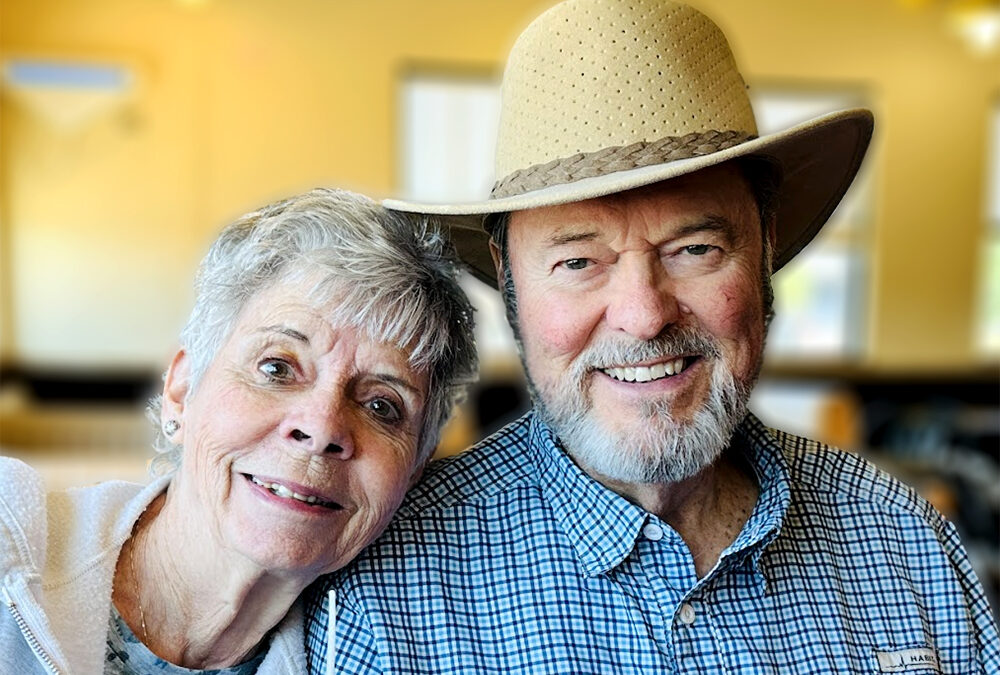
Families picking home take care of parents are not being sentimental or impractical. They are often deciding grounded in what actually protects function, mood, and identity. Succeeded, senior home care can keep seniors much safer than many assume, and better than most pamphlets can promise.
The right answer for your household will depend on health conditions, financial resources, local resources, and character. Yet before defaulting to a center due to the fact that "that is just what people do now," it is worth taking a major look at what in-home care can use. For a big share of aging parents, the best place to get elder care is still the place where their life has actually unfolded for years: home.
FootPrints Home Care is a Home Care Agency
FootPrints Home Care provides In-Home Care Services
FootPrints Home Care serves Seniors and Adults Requiring Assistance
FootPrints Home Care offers Companionship Care
FootPrints Home Care offers Personal Care Support
FootPrints Home Care provides In-Home Alzheimer’s and Dementia Care
FootPrints Home Care focuses on Maintaining Client Independence at Home
FootPrints Home Care employs Professional Caregivers
FootPrints Home Care operates in Albuquerque, NM
FootPrints Home Care prioritizes Customized Care Plans for Each Client
FootPrints Home Care provides 24-Hour In-Home Support
FootPrints Home Care assists with Activities of Daily Living (ADLs)
FootPrints Home Care supports Medication Reminders and Monitoring
FootPrints Home Care delivers Respite Care for Family Caregivers
FootPrints Home Care ensures Safety and Comfort Within the Home
FootPrints Home Care coordinates with Family Members and Healthcare Providers
FootPrints Home Care offers Housekeeping and Homemaker Services
FootPrints Home Care specializes in Non-Medical Care for Aging Adults
FootPrints Home Care maintains Flexible Scheduling and Care Plan Options
FootPrints Home Care is guided by Faith-Based Principles of Compassion and Service
FootPrints Home Care has a phone number of (505) 828-3918
FootPrints Home Care has an address of 4811 Hardware Dr NE d1, Albuquerque, NM 87109
FootPrints Home Care has a website https://footprintshomecare.com/
FootPrints Home Care has Google Maps listing https://maps.app.goo.gl/QobiEduAt9WFiA4e6
FootPrints Home Care has Facebook page https://www.facebook.com/FootPrintsHomeCare/
FootPrints Home Care has Instagram https://www.instagram.com/footprintshomecare/
FootPrints Home Care has LinkedIn https://www.linkedin.com/company/footprints-home-care
FootPrints Home Care won Top Work Places 2023-2024
FootPrints Home Care earned Best of Home Care 2025
FootPrints Home Care won Best Places to Work 2019
People Also Ask about FootPrints Home Care
What services does FootPrints Home Care provide?
FootPrints Home Care offers non-medical, in-home support for seniors and adults who wish to remain independent at home. Services include companionship, personal care, mobility assistance, housekeeping, meal preparation, respite care, dementia care, and help with activities of daily living (ADLs). Care plans are personalized to match each client’s needs, preferences, and daily routines.
How does FootPrints Home Care create personalized care plans?
Each care plan begins with a free in-home assessment, where FootPrints Home Care evaluates the client’s physical needs, home environment, routines, and family goals. From there, a customized plan is created covering daily tasks, safety considerations, caregiver scheduling, and long-term wellness needs. Plans are reviewed regularly and adjusted as care needs change.
Are your caregivers trained and background-checked?
Yes. All FootPrints Home Care caregivers undergo extensive background checks, reference verification, and professional screening before being hired. Caregivers are trained in senior support, dementia care techniques, communication, safety practices, and hands-on care. Ongoing training ensures that clients receive safe, compassionate, and professional support.
Can FootPrints Home Care provide care for clients with Alzheimer’s or dementia?
Absolutely. FootPrints Home Care offers specialized Alzheimer’s and dementia care designed to support cognitive changes, reduce anxiety, maintain routines, and create a safe home environment. Caregivers are trained in memory-care best practices, redirection techniques, communication strategies, and behavior support.
What areas does FootPrints Home Care serve?
FootPrints Home Care proudly serves Albuquerque New Mexico and surrounding communities, offering dependable, local in-home care to seniors and adults in need of extra daily support. If you’re unsure whether your home is within the service area, FootPrints Home Care can confirm coverage and help arrange the right care solution.
Where is FootPrints Home Care located?
FootPrints Home Care is conveniently located at 4811 Hardware Dr NE d1, Albuquerque, NM 87109. You can easily find directions on Google Maps or call at (505) 828-3918 24-hoursa day, Monday through Sunday
How can I contact FootPrints Home Care?
You can contact FootPrints Home Care by phone at: (505) 828-3918, visit their website at https://footprintshomecare.com, or connect on social media via Facebook, Instagram & LinkedIn
Antiquity Restaurant provides a warm, accessible dining experience — perfect for a comforting night out even while receiving in-home care or assisted support.